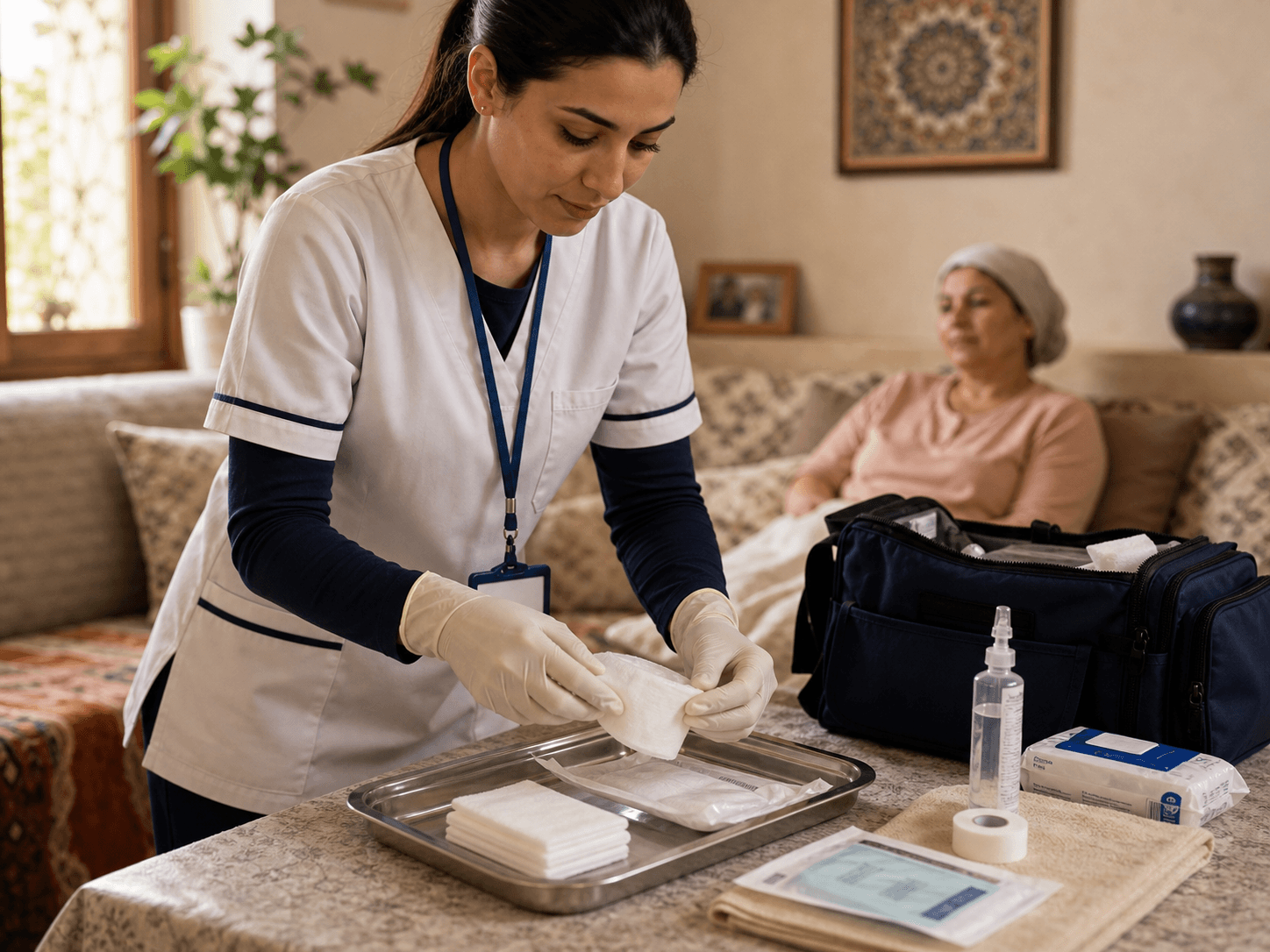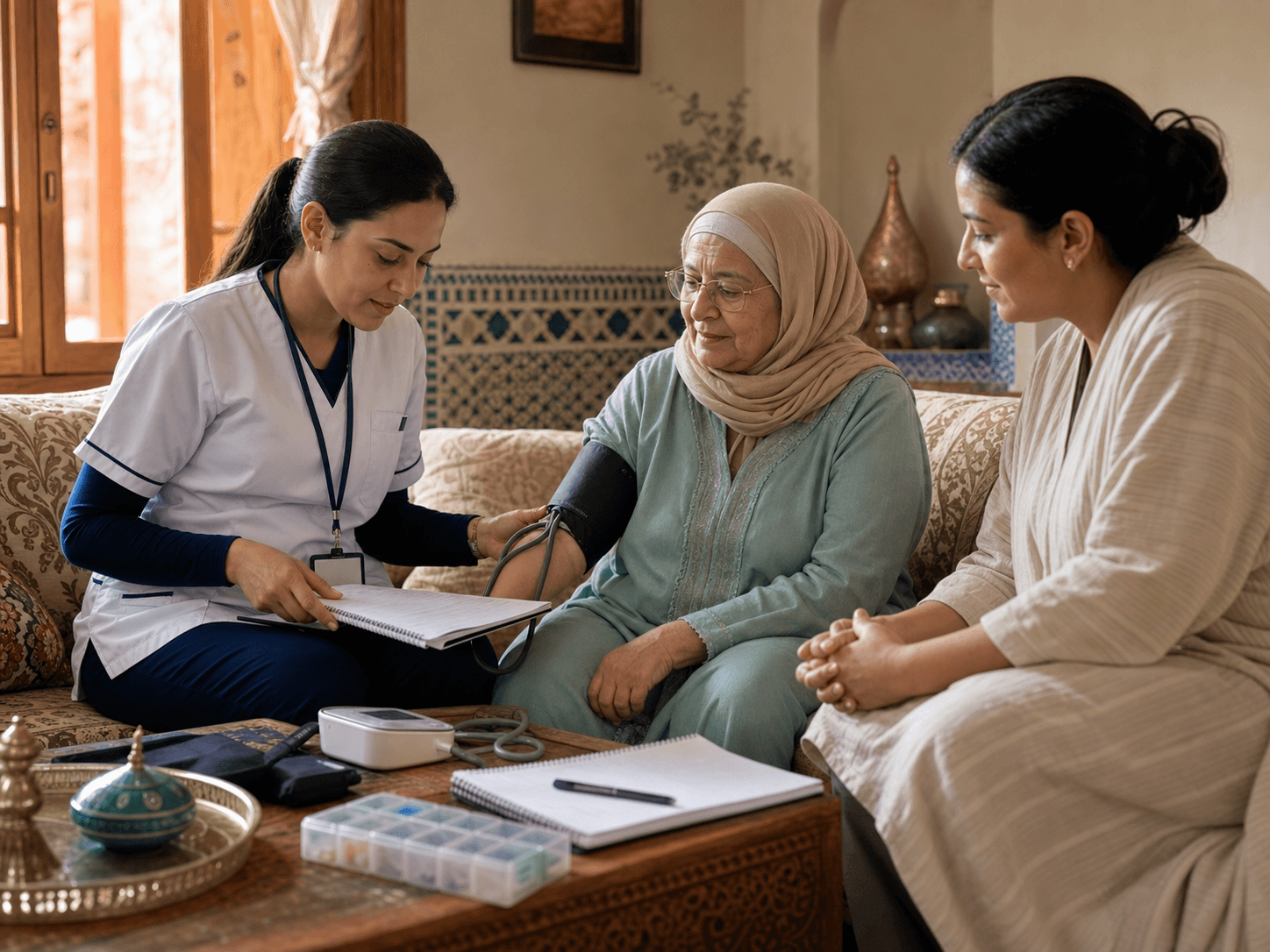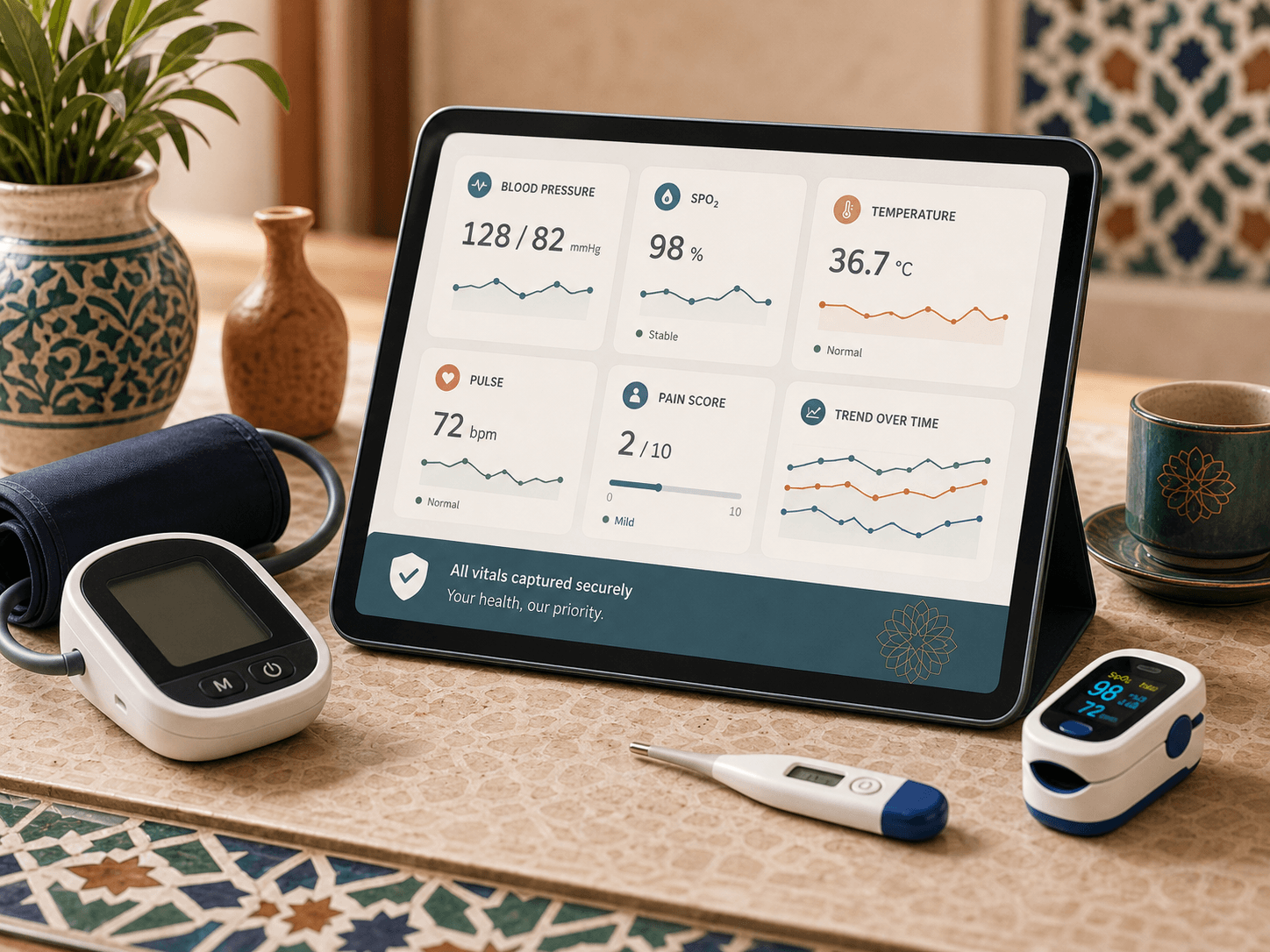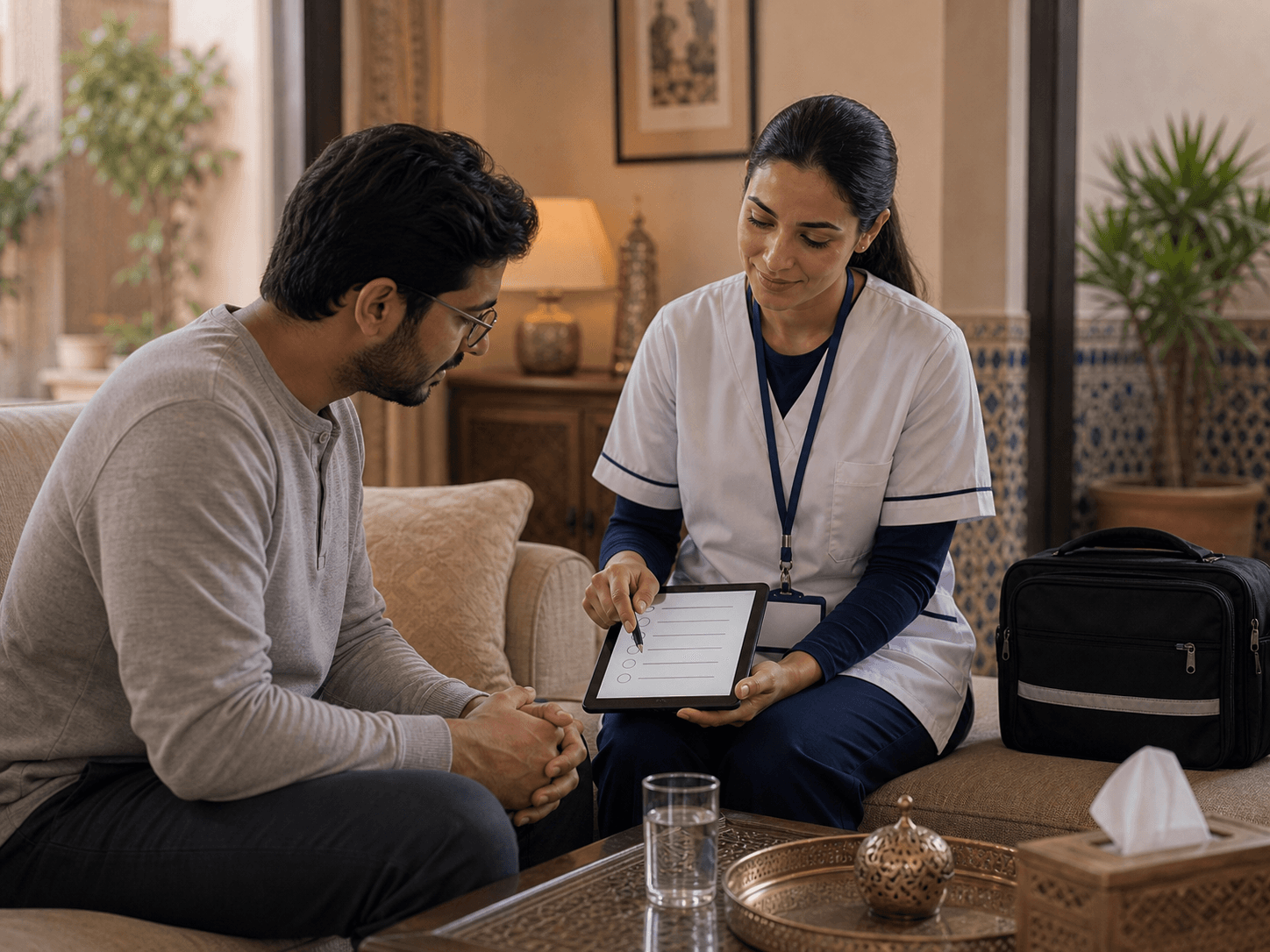
Home physiotherapy is indicated after surgery (hip or knee replacement, fracture), in cases of age-related loss of autonomy, or for sports injury rehabilitation. SOS Nursing coordinates the intervention of qualified physiotherapists at home in Marrakech, sparing patients tiring trips to a clinic while benefiting from a programme adapted to their real living environment.
After a hip or knee replacement, a consolidated fracture or back surgery, rehabilitation begins as soon as the patient leaves hospital.
Post-operative rehabilitation: regaining mobility
After a hip or knee replacement, a consolidated fracture or back surgery, rehabilitation begins as soon as the patient leaves hospital. The physiotherapist works on restoring joint range of motion, progressive muscle strengthening, gait re-education and pain management. The programme is tailored to the surgical protocol and the patient's abilities, with measurable goals at each stage.
Geriatric physiotherapy: preventing falls
For elderly patients, home physiotherapy aims to maintain functional independence, strengthen balance and prevent falls — the leading cause of fractures in people over 65. The therapist proposes proprioception exercises, lower-limb strengthening, static and dynamic balance training, and adapts the home environment to reduce risks (rugs, lighting, grab bars).
Respiratory and neurological rehabilitation
Respiratory physiotherapy is essential for COPD, post-COVID or post-thoracic surgery patients: bronchial clearance, diaphragmatic re-education, directed breathing exercises. Neurological rehabilitation (post-stroke, Parkinson's, multiple sclerosis) works on fine motor skills, coordination, gait re-education and adaptation to assistive devices.
Advantages of home rehabilitation
Home rehabilitation allows the patient to train in their real environment: climbing their own stairs, using their bathroom, moving around their living room. This contextualisation improves the transfer of skills to daily life. The therapist identifies domestic obstacles and proposes practical modifications to make the home safer.
Coverage and reimbursement
Home physiotherapy sessions are prescribed by the physician (prescription specifying the number of sessions and indication). They are reimbursable by AMO-CNSS and AMO-ANAM at the agreed rate. Supplementary mutual funds generally cover the remaining balance. SOS Nursing provides invoices in the format required by the paying bodies.