Home intravenous infusion allows the administration of antibiotics, hydration solutions, nutritional supplements or analgesic treatments without prolonged hospitalisation. In Marrakech, SOS Nursing provides registered nurses trained in the insertion and monitoring of peripheral and central venous lines, in close coordination with the prescribing physician. This service is designed for post-hospital patients, dehydrated elderly individuals or patients requiring prolonged antibiotic therapy.
The main indications are prolonged intravenous antibiotic therapy (bone and joint infections, endocarditis, complex urinary tract infections), parenteral rehydration for…
Common indications for home infusion
The main indications are prolonged intravenous antibiotic therapy (bone and joint infections, endocarditis, complex urinary tract infections), parenteral rehydration for elderly or post-operative patients, partial or total parenteral nutrition in cases of severe malnutrition, and IV analgesic administration for pain not controlled orally. Each prescription is validated by the physician and adapted to the home setting.
Venous line insertion and maintenance
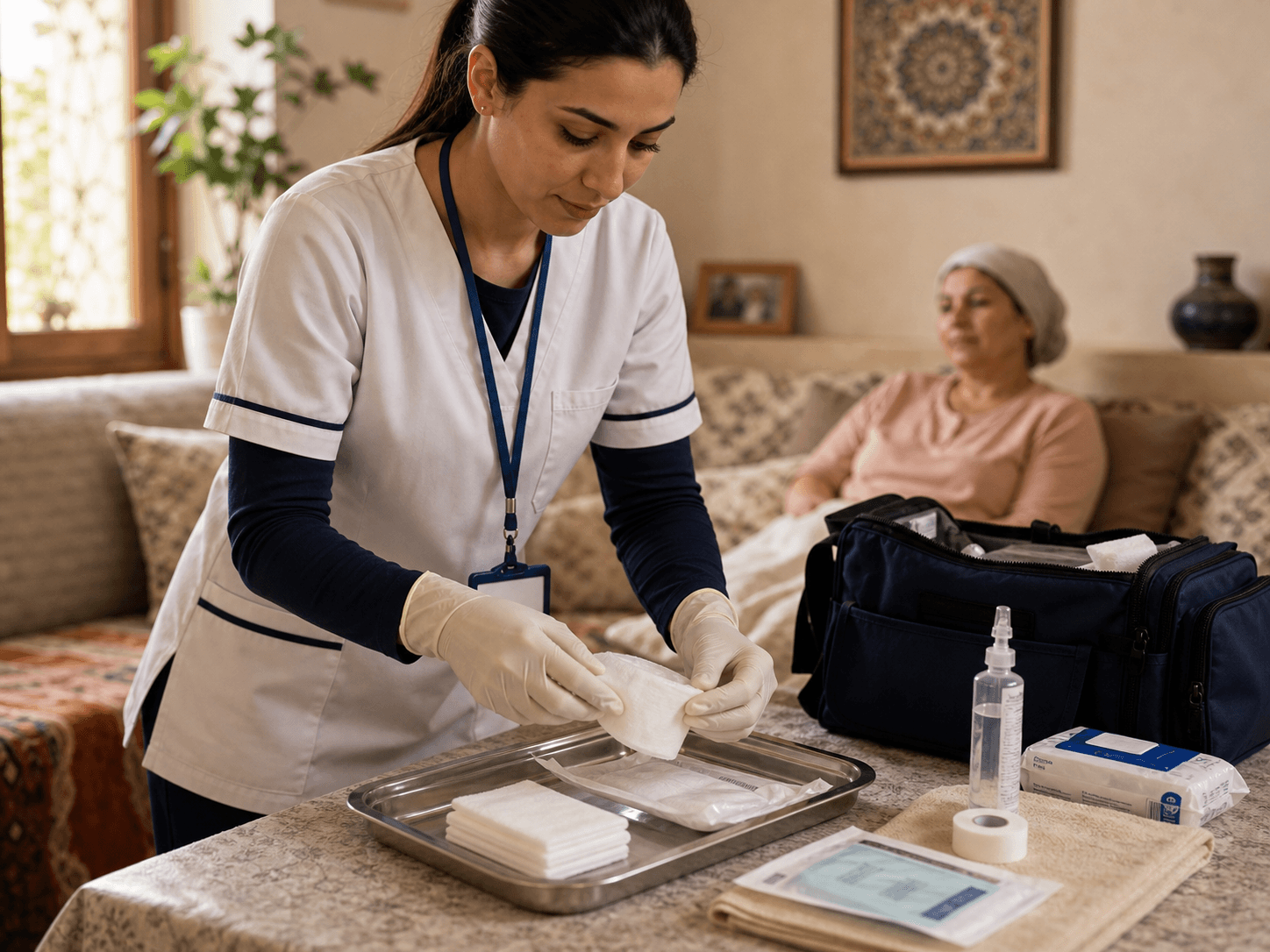
The nurse proceeds under strict aseptic conditions: skin disinfection, sterile gloves, insertion of a peripheral catheter (recommended maximum duration: 96 hours) or monitoring of an implantable port (PAC). The occlusive dressing is changed per protocol, and the insertion site is inspected at each visit to detect any sign of infection or phlebitis.
Clinical monitoring during infusion
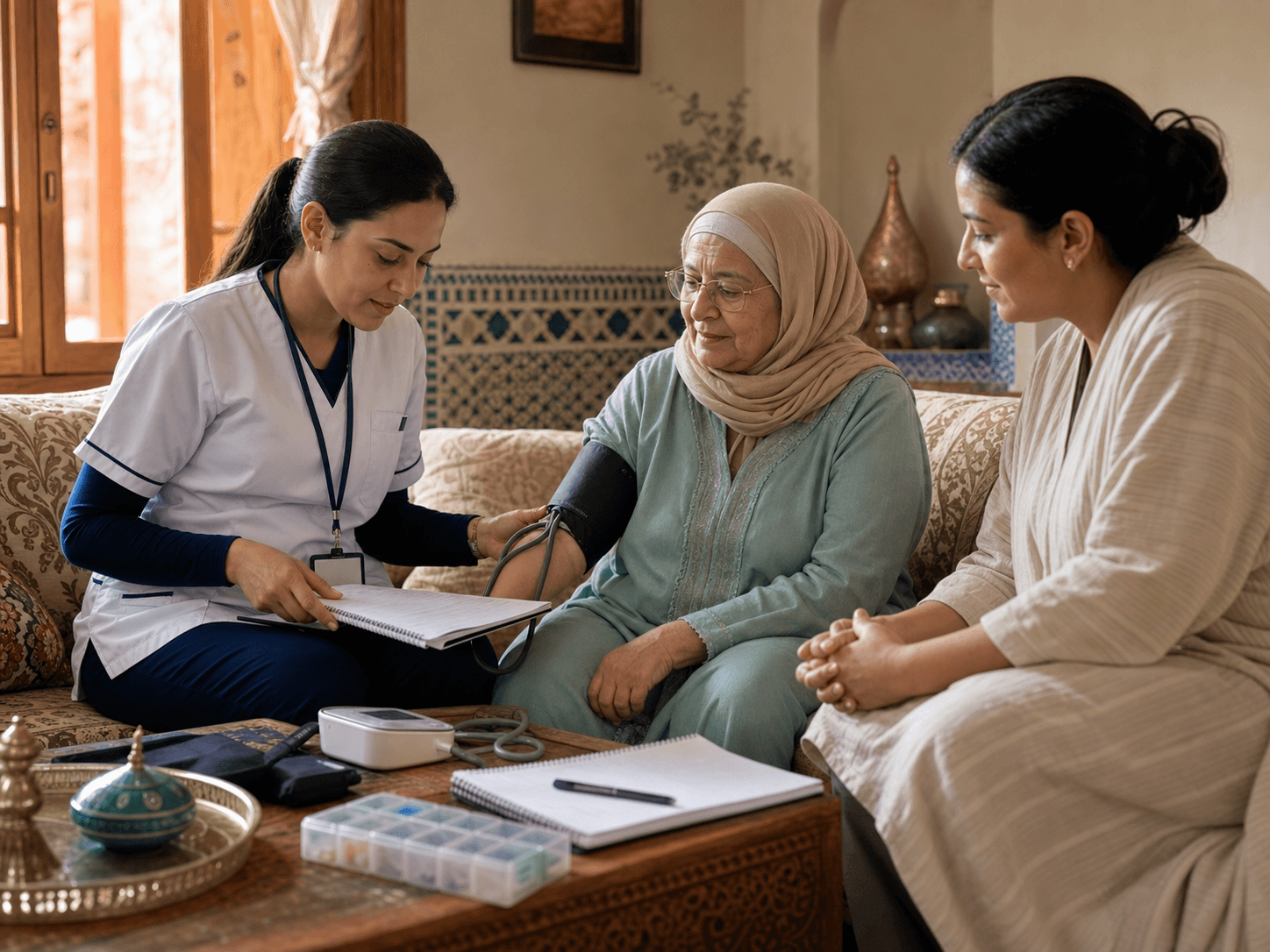
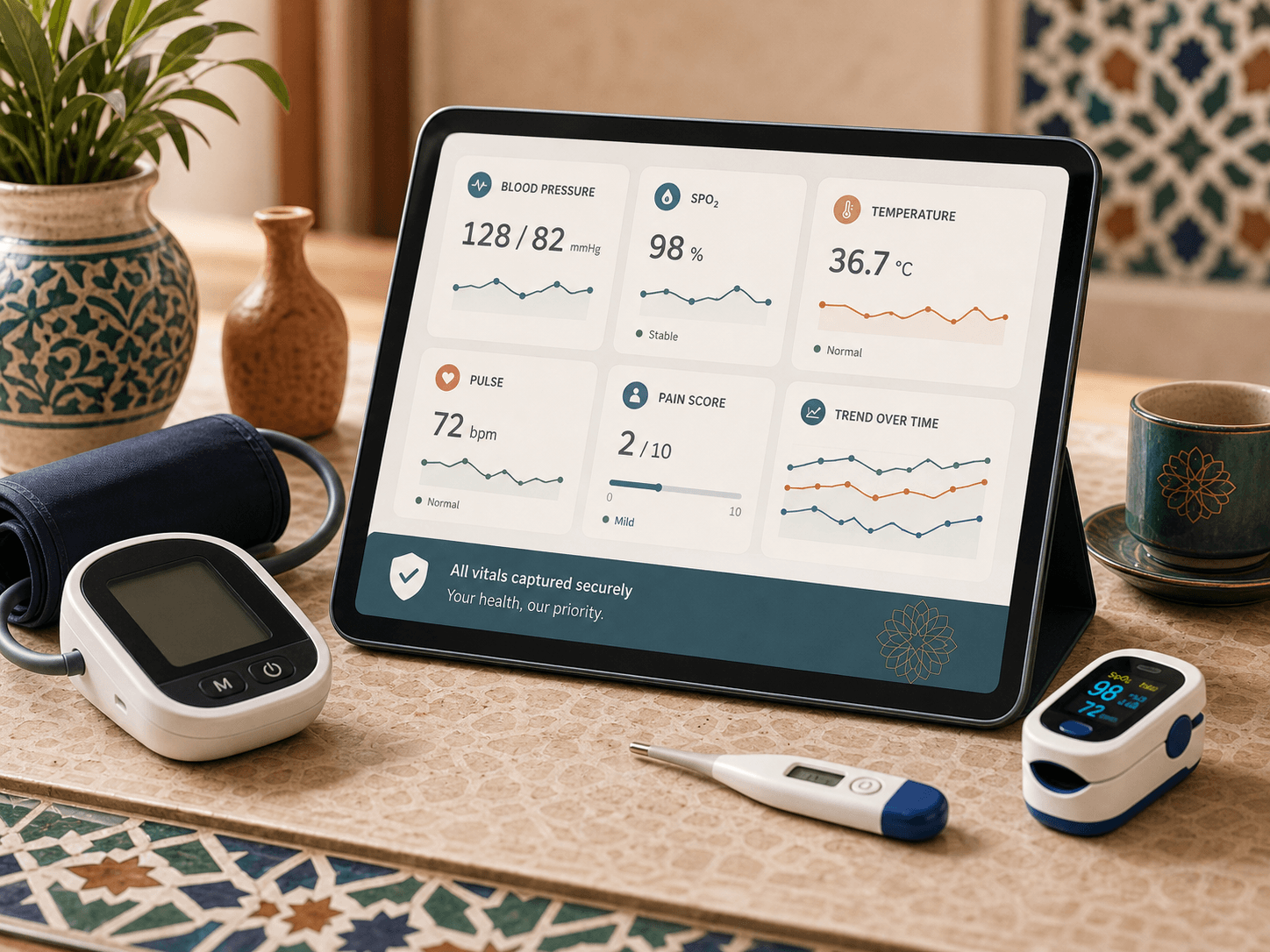
The nurse controls the infusion rate, monitors vital signs (blood pressure, heart rate, temperature), checks for allergic reactions or fluid overload, and ensures patient comfort. An emergency protocol is defined in advance with the prescribing physician in case of an adverse reaction.
Advantages of home care over hospitalisation
Home infusion reduces the risk of hospital-acquired infections, lowers the overall treatment cost, improves patient comfort and morale, and frees hospital beds for more severe cases. Studies show higher treatment adherence when patients remain in their familiar environment, surrounded by their loved ones.
Practical organisation and financial coverage
SOS Nursing schedules visits according to the prescribed treatment plan: one to three visits per day if needed. Medical supplies (catheters, tubing, solutions) are provided on prescription. Nursing procedures are reimbursable via AMO-CNSS upon presentation of a prescription and detailed invoices provided by our service.