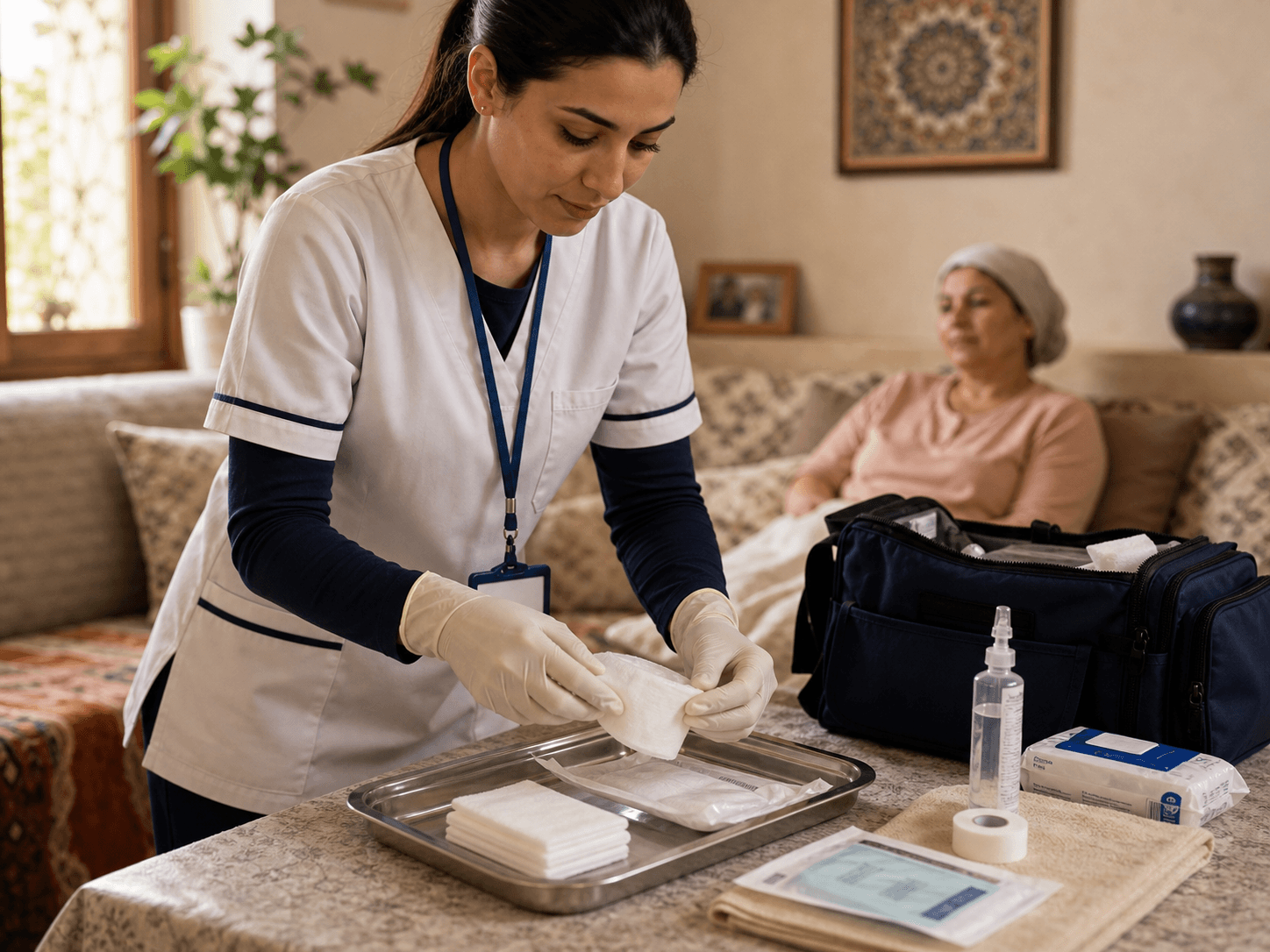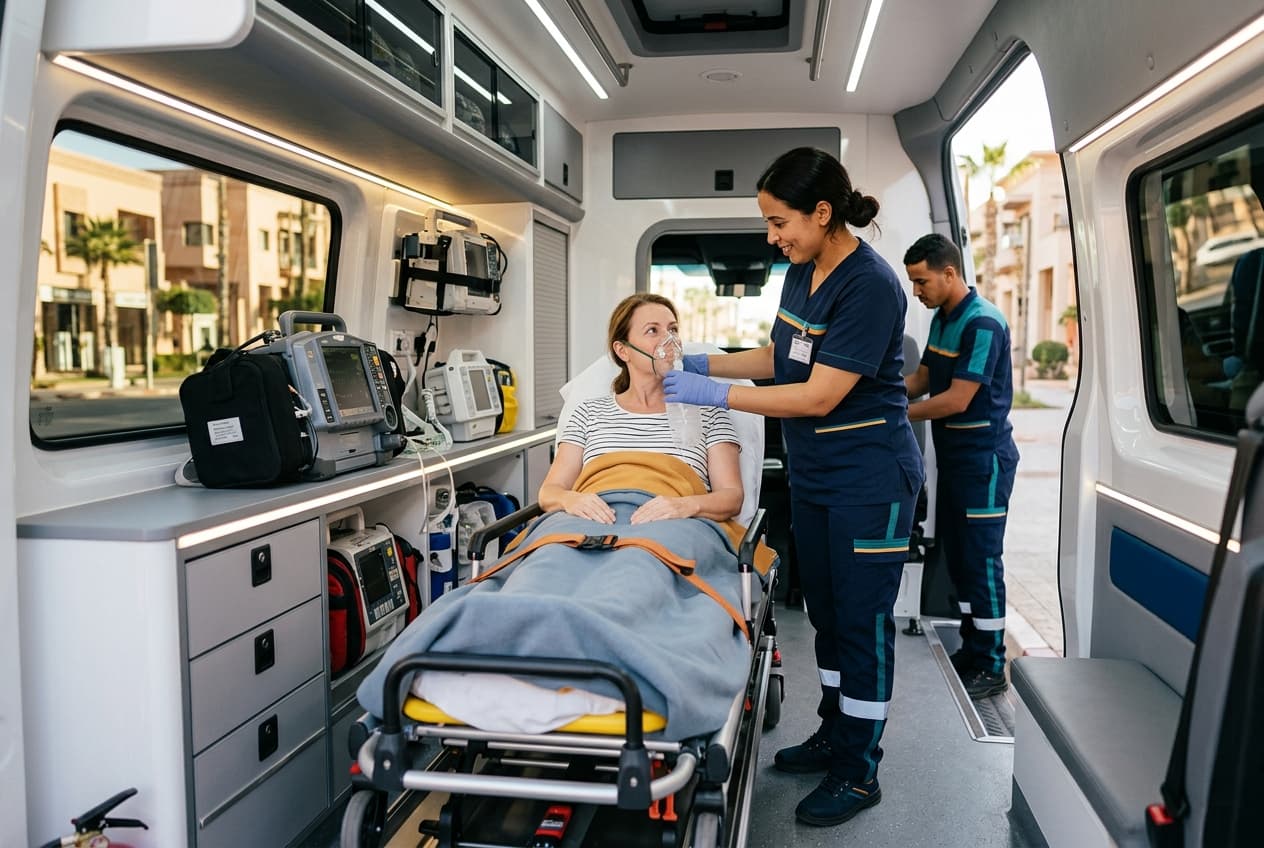
Home oxygen therapy is prescribed for patients with chronic respiratory insufficiency (COPD, pulmonary fibrosis, severe heart failure) or convalescing after severe pneumonia. It maintains adequate oxygen saturation while avoiding prolonged hospitalisation. SOS Nursing provides nursing support at home in Marrakech: saturation monitoring, flow rate adjustment, and patient and family education on safety rules.
Long-term oxygen therapy (LTOT) is indicated when PaO2 is below 55 mmHg at rest or between 55 and 60 mmHg with signs of impact (polycythaemia, cor pulmonale, nocturnal de…
Indications for home oxygen therapy
Long-term oxygen therapy (LTOT) is indicated when PaO2 is below 55 mmHg at rest or between 55 and 60 mmHg with signs of impact (polycythaemia, cor pulmonale, nocturnal desaturations). The most common conditions are severe COPD, pulmonary fibrosis, terminal heart failure and certain neuromuscular diseases. The prescription is issued by the pulmonologist after an arterial blood gas test.
Equipment types: concentrator, cylinder and liquid oxygen
The electric oxygen concentrator is the most widely used home device: it extracts oxygen from ambient air and delivers a continuous flow of 0.5 to 5 litres per minute. Compressed gas cylinders serve as backup for travel. Liquid oxygen, more compact, is reserved for patients requiring high flow rates or greater mobility. The choice is determined by the pulmonologist based on patient needs.
The nurse's role in monitoring
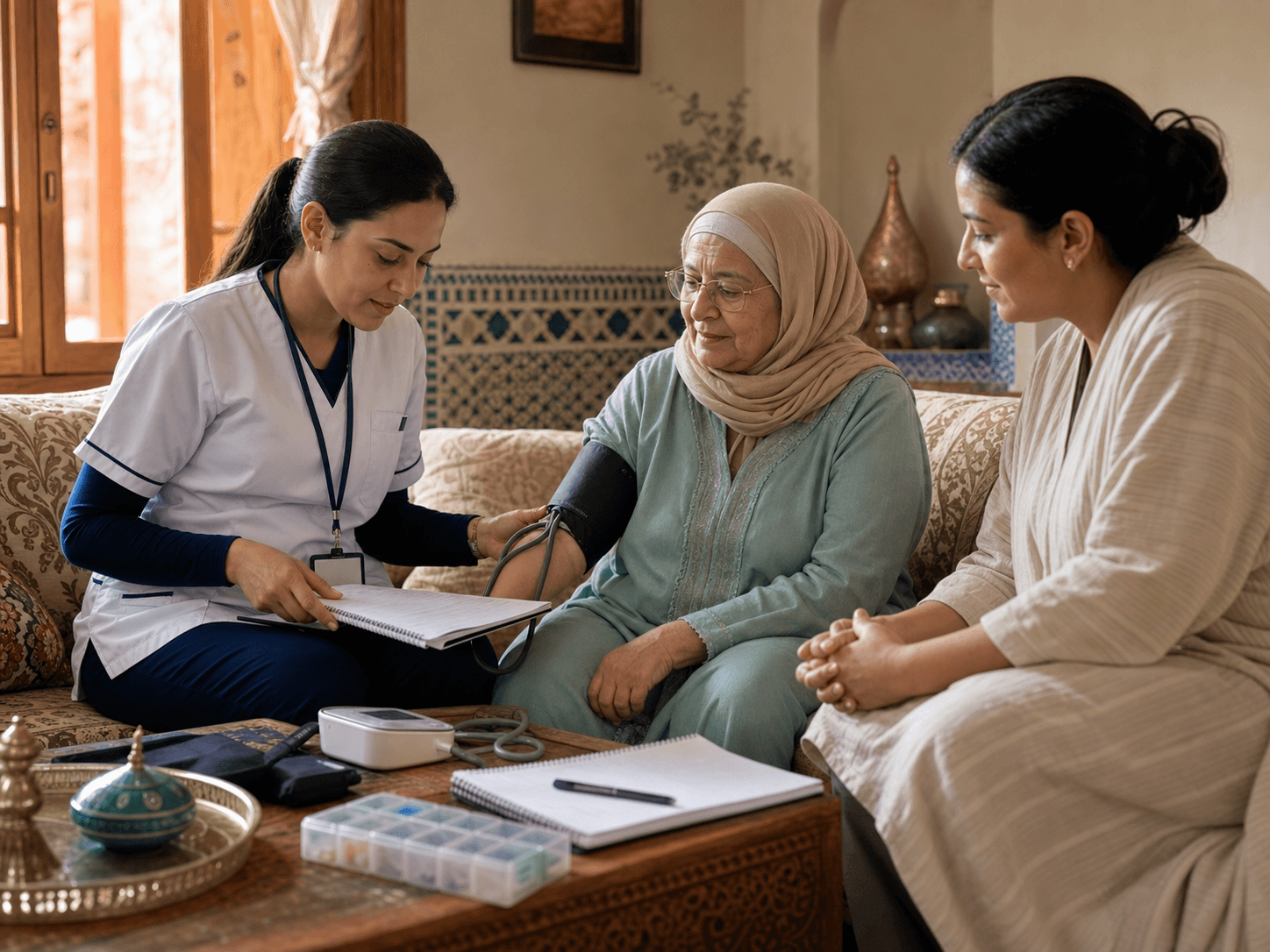
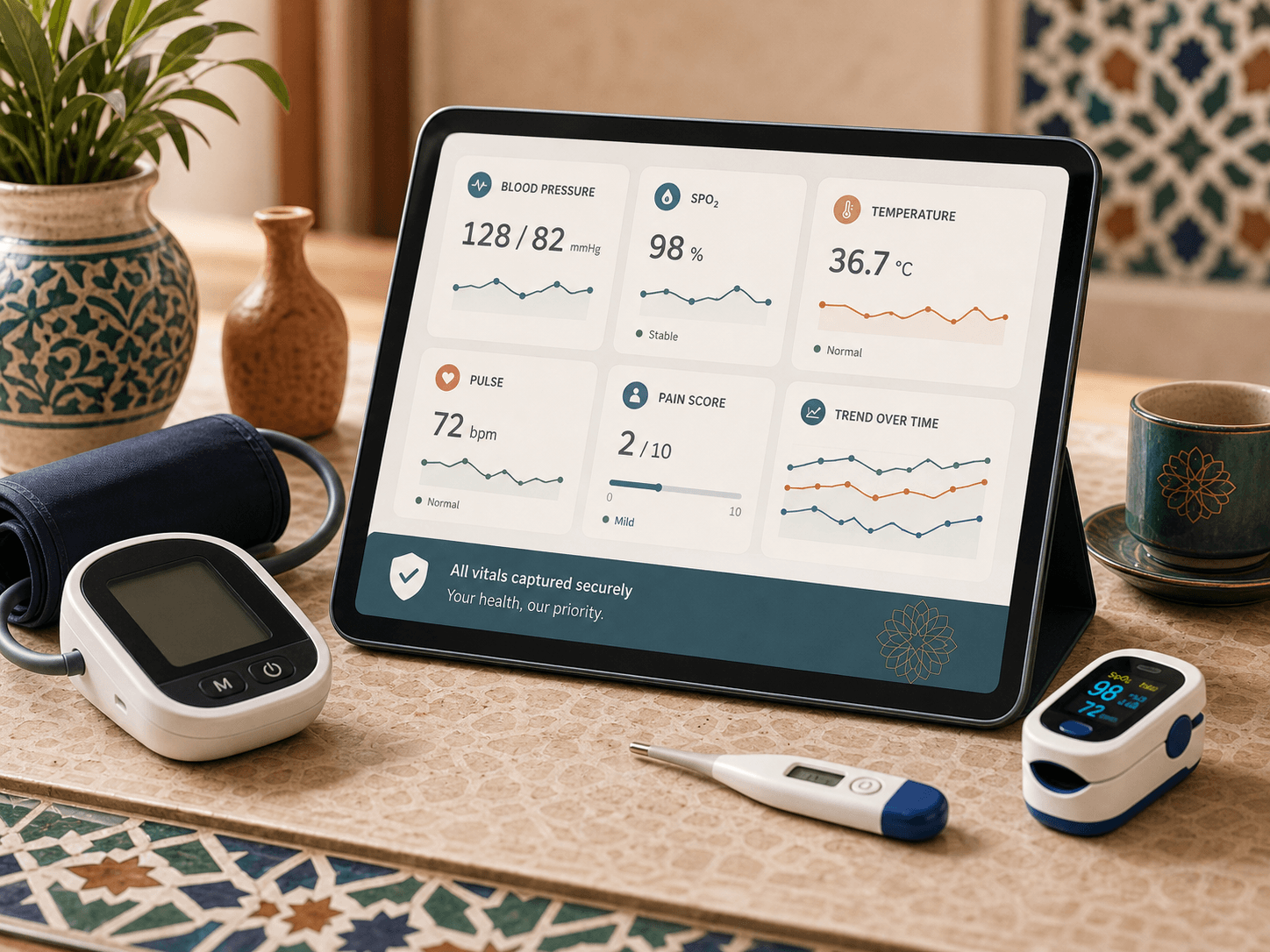
The nurse checks oxygen saturation by pulse oximetry (SpO2 target: 88 to 92% for COPD patients, 94 to 98% for others), verifies the prescribed oxygen flow rate, inspects equipment (tubing, nasal cannula, mask), monitors for signs of respiratory decompensation and transmits parameters to the pulmonologist. They detect adverse effects: nasal dryness, headaches, skin irritation.
Mandatory safety rules
Oxygen is an oxidiser that promotes combustion. It is strictly forbidden to smoke nearby, use open flames, spark-producing electrical appliances or greasy substances (petroleum jelly) near the oxygen source. The concentrator must be placed in a ventilated room, at least 2 metres from any heat source. The nurse trains the patient and family in these vital rules during the first visit.
Adherence and quality of life
Long-term oxygen therapy requires a minimum of 15 hours of daily use to be effective, ideally 18 to 24 hours. The nurse assesses adherence at each visit (concentrator hour counter), identifies barriers (noise, bulk, cosmetic concern) and proposes practical solutions. Good adherence improves survival, reduces hospitalisations and increases daily exercise capacity.