Cancer chemotherapy generates side effects that require regular nursing monitoring and care between hospital treatment cycles. SOS Nursing offers home nursing support in Marrakech for chemotherapy patients: central venous line monitoring, nausea management, infection prevention during neutropenia, oral care and nutritional support. Our role complements the hospital oncology team, without replacing it.
The implantable port (port-a-cath or PAC) is the preferred access route for chemotherapy.
Implantable port (PAC) monitoring
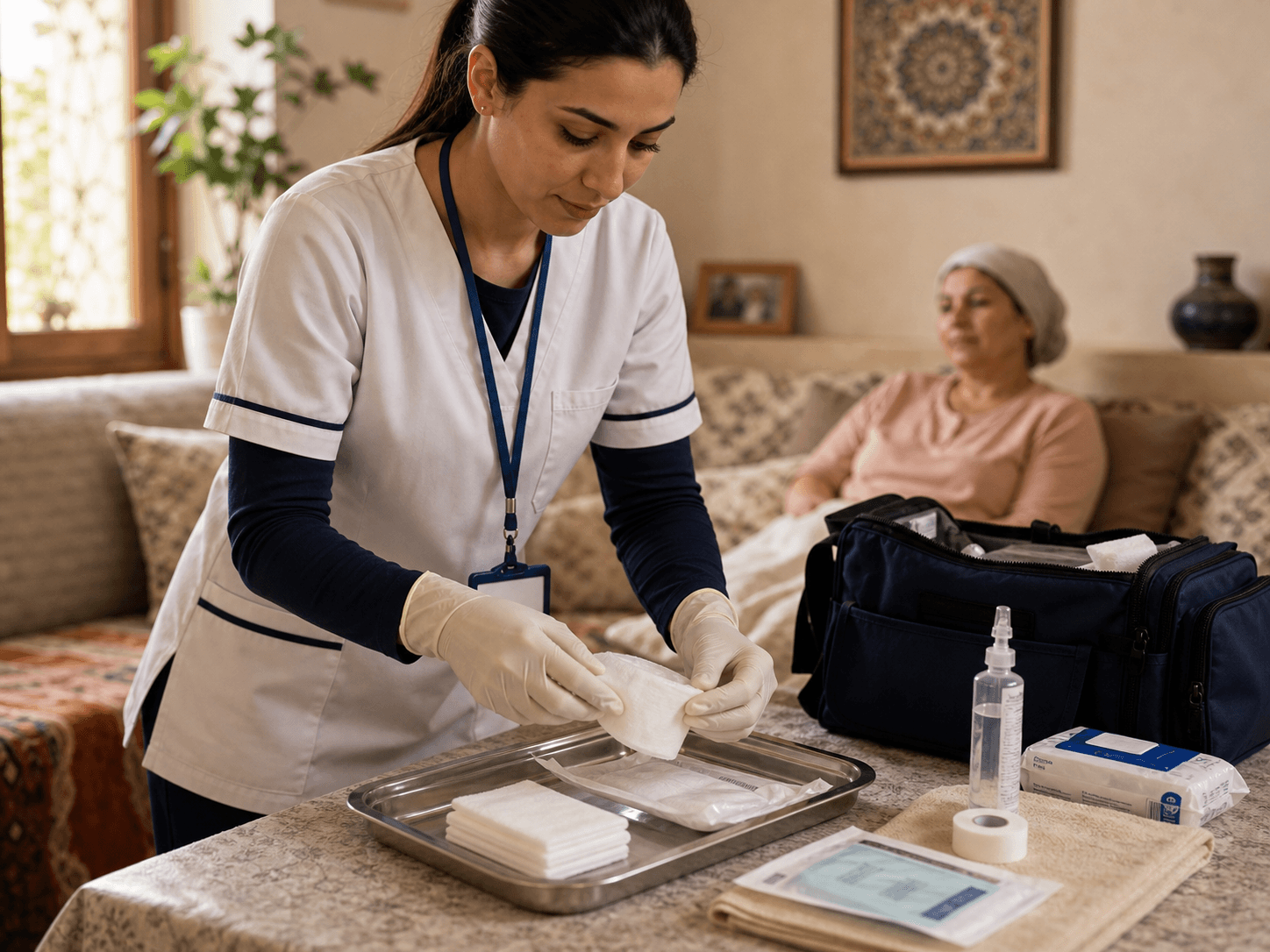
The implantable port (port-a-cath or PAC) is the preferred access route for chemotherapy. The home nurse performs heparin flushes between cycles (every 4 to 6 weeks), checks device function (blood return, flow rate), inspects the skin site for redness, pain or swelling suggestive of infection or thrombosis, and changes the occlusive dressing per protocol.
Nausea management and nutrition
Chemotherapy-induced nausea and vomiting affect 60 to 80% of patients. The nurse checks that prescribed antiemetics are taken (setrons, corticosteroids, aprepitant), advises on meal splitting (5 to 6 small meals per day), foods to prefer (cold, low-odour, protein-rich) and those to avoid (fatty, spicy, very sweet). Regular hydration is encouraged.
Infection prevention during neutropenia
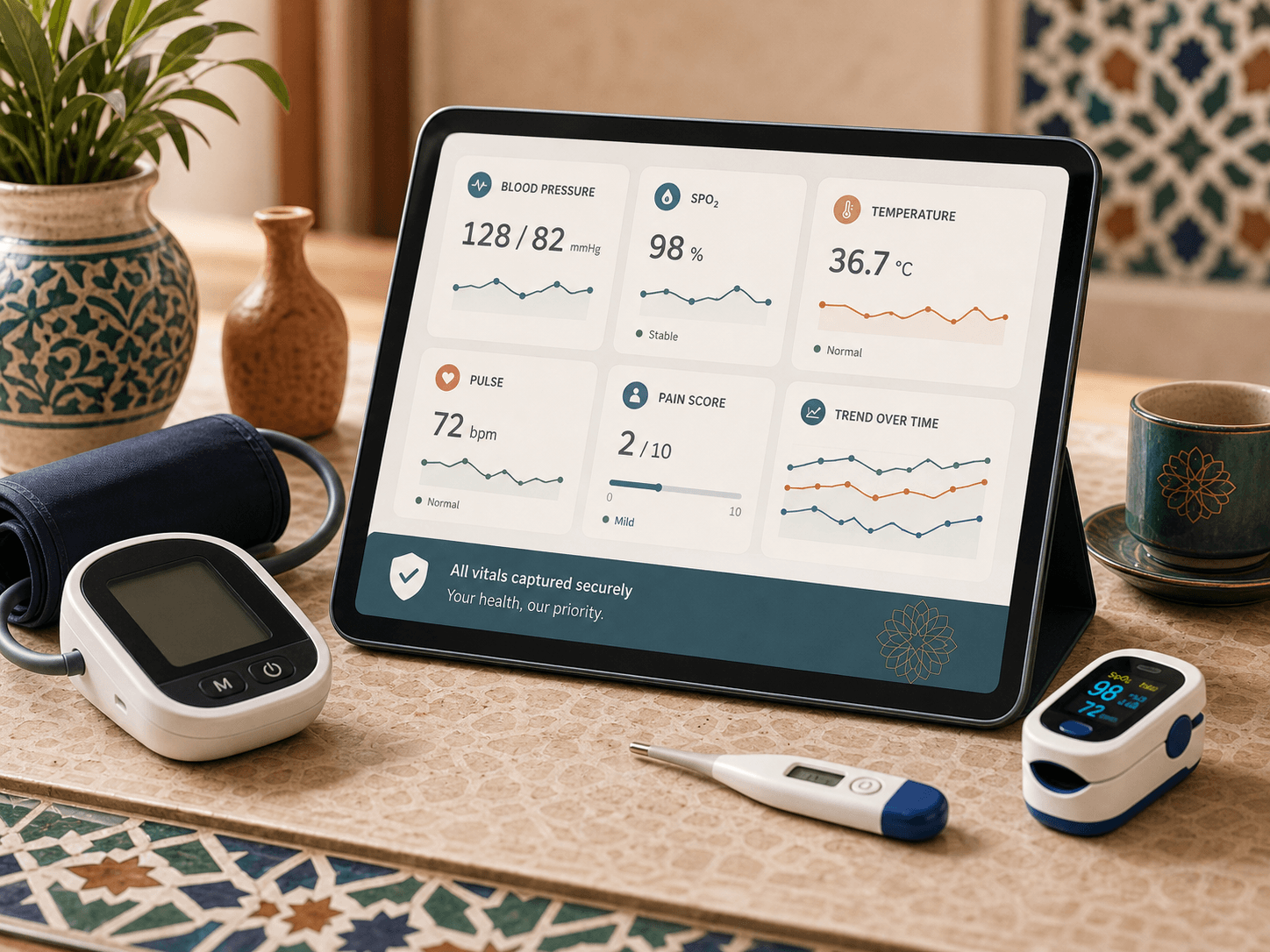
Chemotherapy destroys white blood cells, exposing the patient to major infection risk between days 7 and 14 after treatment (nadir). The nurse monitors temperature (any fever above 38.3°C is an emergency), educates on hand hygiene, mask-wearing in public, avoiding contact with sick individuals, and directs to oncology A&E in case of febrile neutropenia.
Oral care and mucositis prevention
Oral mucositis (painful inflammation of the mucous membrane) affects 20 to 40% of patients on standard chemotherapy. The nurse recommends sodium bicarbonate mouthwashes, examines the oral mucosa at each visit, advises an ultra-soft toothbrush and reports any severe mucositis to the physician for treatment adjustment.
Psychological support and oncology coordination
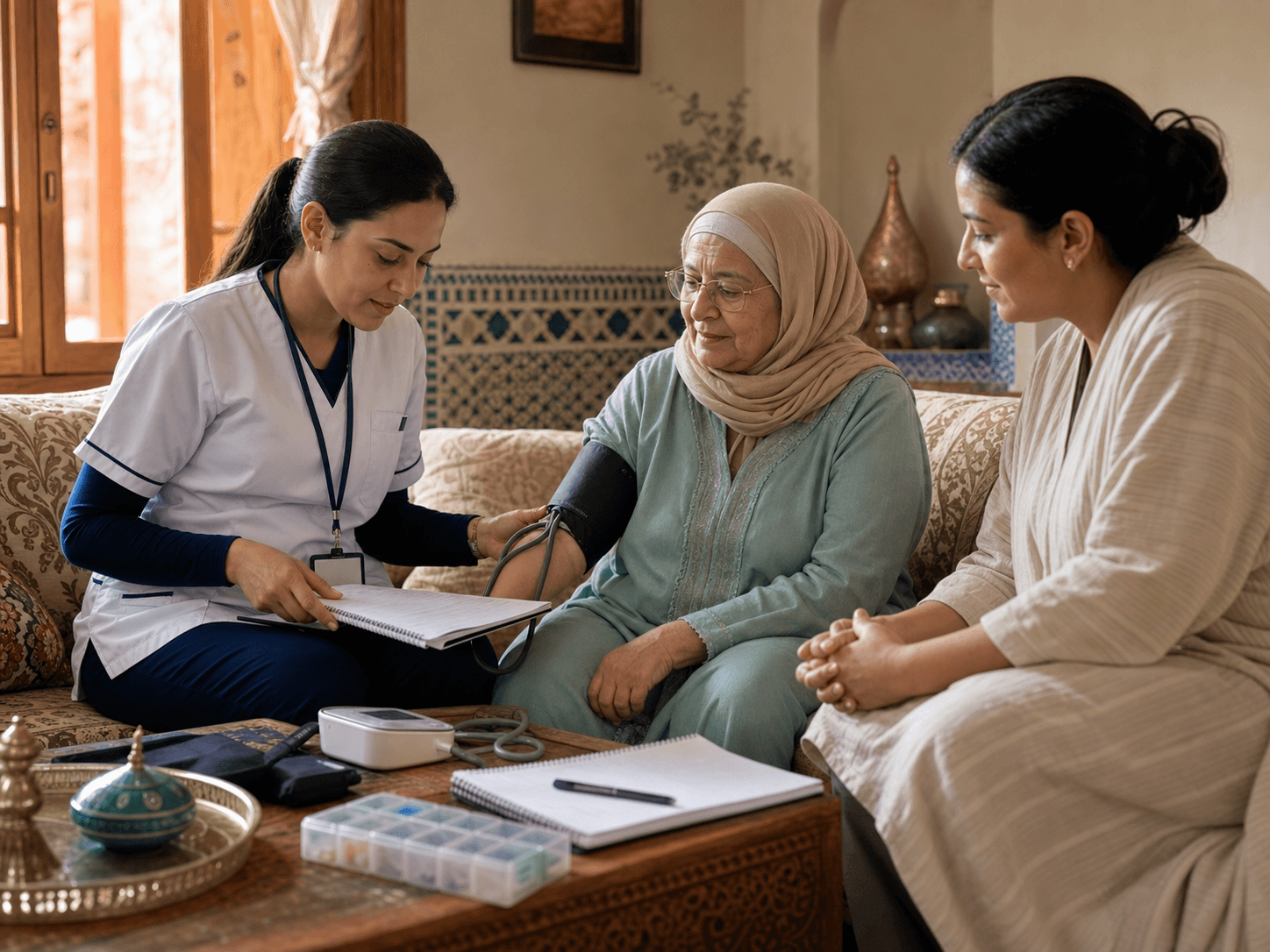
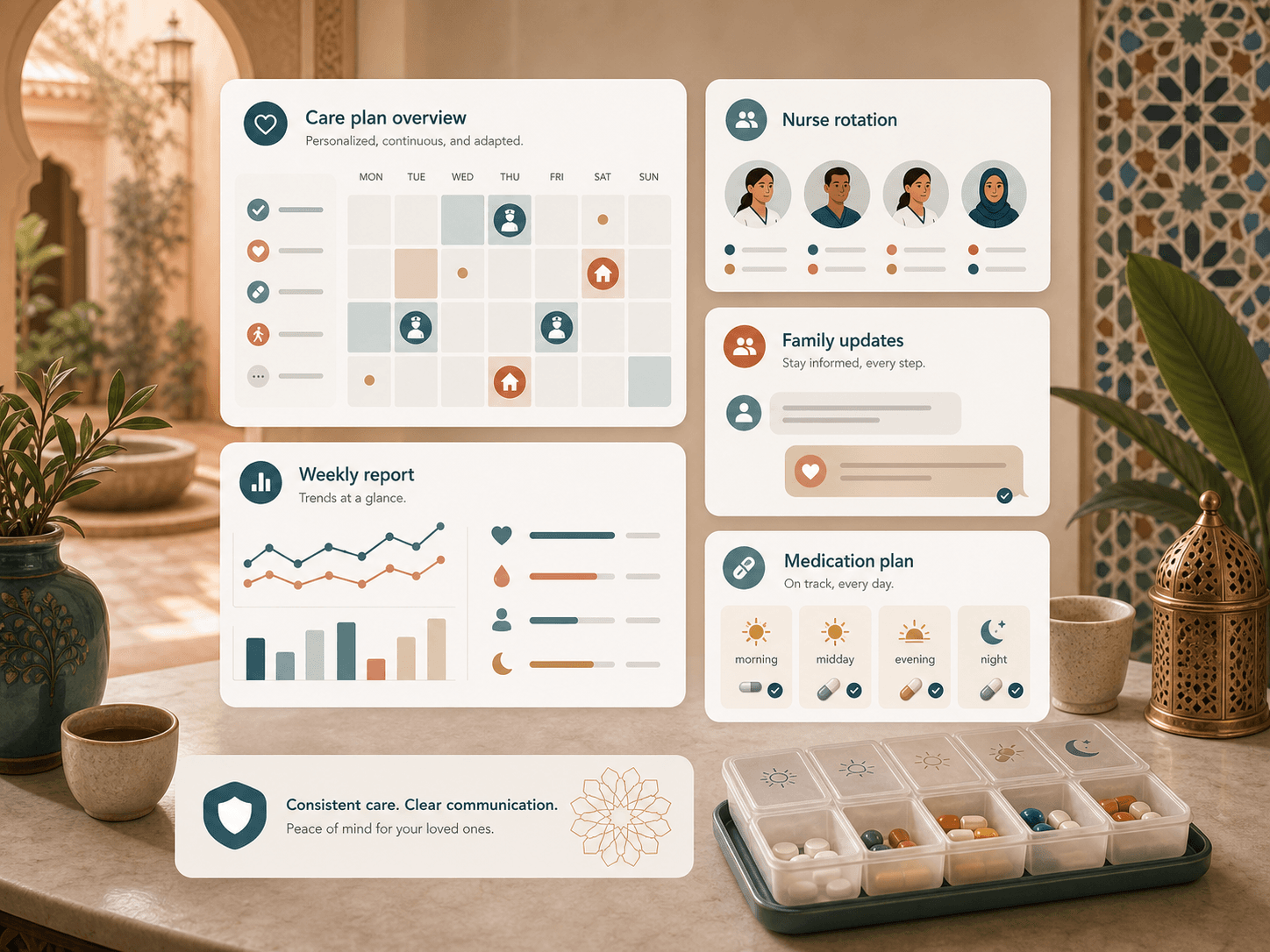
The home nurse is an essential link in the moral support of patient and family. They listen, reassure, detect signs of psychological distress and refer to specialist resources (psycho-oncologists, patient associations). They liaise with the hospital oncology team by transmitting clinical observations between treatment cycles.