Skip to content
SOS NursingMarrakech
Career of the future · Midwife 2026

Midwife in Morocco 2026: profession, training and salary

The midwife is an autonomous healthcare professional at the heart of Moroccan family life. Pregnancy follow-up, delivery, postnatal care, family planning and gynaecological prevention: her scope of practice is broad and rewarding. Discover the profession, the three-year training at IMTA in Youssoufia, the admission requirements and real salaries by sector — from the public system to private practice.

3 yearsof training — State Diploma6,000–20,000 DHmonthly salary depending on the sector96%employment rate of IMTA graduates
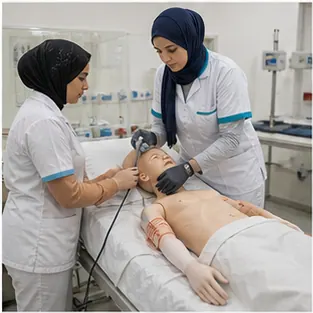
Moroccan midwife in scrubs supporting an expectant mother during a prenatal consultation
State Diploma · 3 years

The midwife profession in Morocco: much more than deliveries

In Morocco, the midwife (قابلة) holds an essential place in women's healthcare journey. Contrary to a widespread belief, her role is not limited to childbirth: she provides complete pregnancy follow-up, birth preparation, care of the mother and newborn after delivery, family planning advice and gynaecological prevention. It is a recognised medical profession, autonomous and profoundly human.

Demand for qualified midwives keeps growing, in public maternity units as well as in the private sector, and increasingly in private and home-based practice. To practise, you must obtain the State Diploma of Specialised Technician Midwife, awarded after three years of training. At IMTA in Youssoufia, this accredited programme prepares professionals ready to support families, with a privileged pathway into home postnatal care thanks to the SOS Nursing partnership.

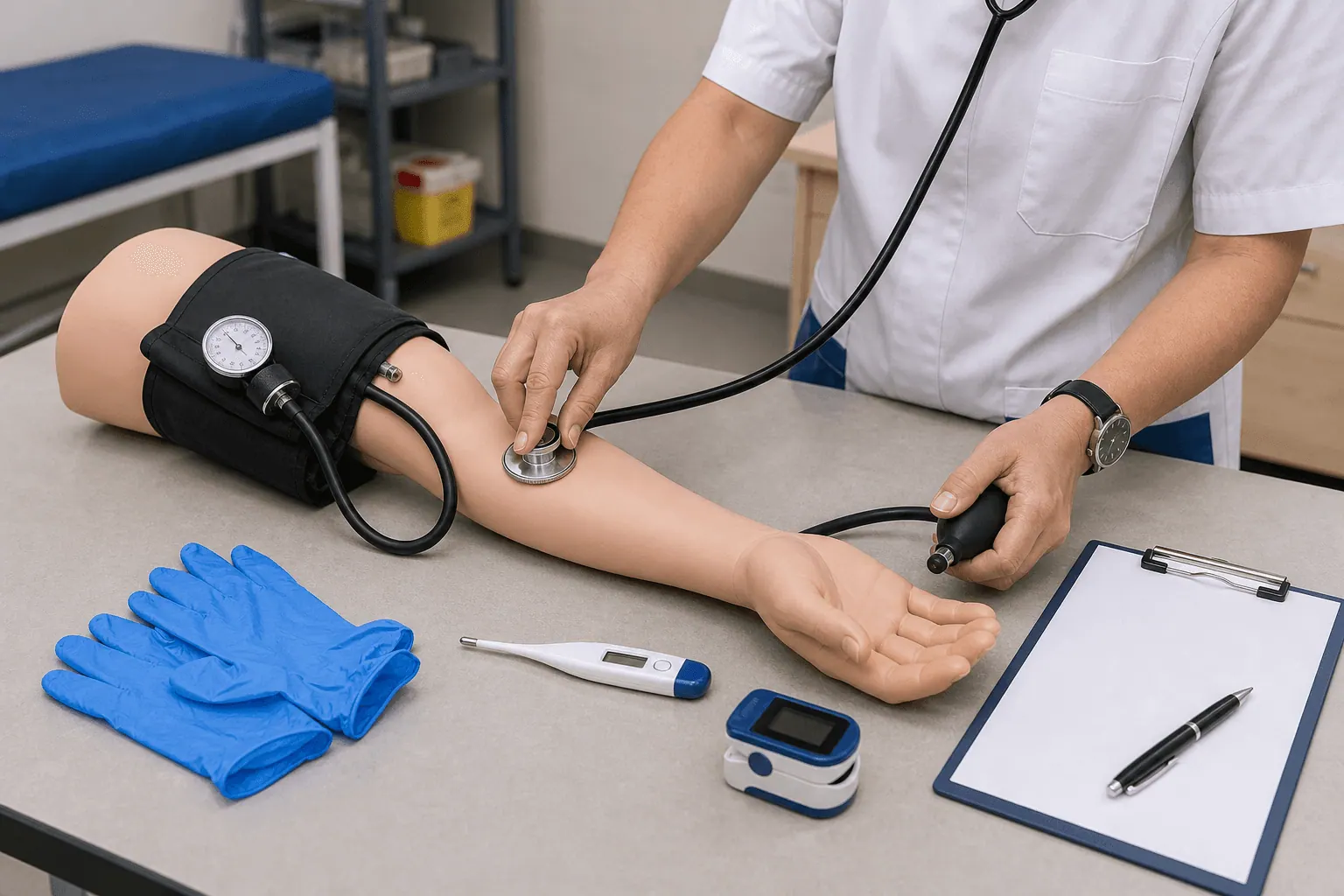
IMTA midwifery student practising pregnancy follow-up techniques in a practical training room

What does a midwife do? A broad and autonomous scope of practice

The midwife supports women throughout their reproductive life. During pregnancy, she carries out prenatal consultations, monitors the baby's healthy development, prescribes certain tests and screens for high-risk pregnancies to refer to the doctor in time. She also leads birth-preparation sessions and reassures expectant parents.

On the day of delivery, she can conduct a normal birth on her own, then provide immediate care to the mother and newborn. After the birth, her role remains central: postnatal follow-up, breastfeeding, baby care and contraception advice. Finally, she works in prevention — screening, vaccination, health education — which makes her a full-fledged public-health professional.

  • Pregnancy follow-up and prenatal consultations.
  • Normal delivery and care of the mother and newborn.
  • Postnatal follow-up, breastfeeding, family planning and gynaecological prevention.
Midwife training in Morocco: three years at IMTA

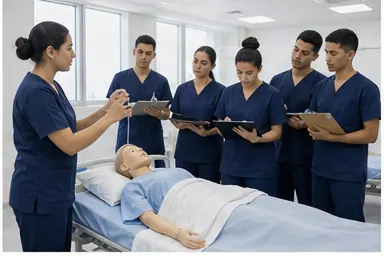
To become a midwife, IMTA in Youssoufia offers the Specialised Technician Midwife programme. The training lasts three years after the baccalaureate and alternates theoretical courses (anatomy, physiology, obstetrics, neonatology, pharmacology) with practical placements in maternity units. At the end of the programme, you earn a State Diploma recognised throughout the Kingdom.

Admission is based on an application review and an entrance exam. A science baccalaureate makes it easier to follow the lessons, but motivation and aptitude for care matter just as much. Tuition remains affordable, and the institute supports every candidate, including those from other regions. With 25 years of experience and more than 2,500 graduates, IMTA reports a 96% employment rate.

  • Duration: 3 years after the baccalaureate.
  • Entry: baccalaureate (science profile recommended) + entrance exam.
  • State Diploma: Specialised Technician Midwife, recognised in Morocco.

Where does a midwife work and how much does she earn?

Indicative net monthly salary ranges in Morocco in 2026, varying by experience, region and workload.

Place of practiceMain dutiesIndicative monthly salary
University hospital (CHU) & public maternityDeliveries, prenatal and postnatal follow-up in a public facility6,000 – 9,000 DH
Private clinic & maternityDeliveries and follow-up in a private facility, on-call duty7,000 – 12,000 DH
Private practice (self-employed)Consultations, pregnancy follow-up, rehabilitation, family planning10,000 – 20,000 DH
Home postnatal careFollow-up of mother and baby at home — SOS Nursing partnership8,000 – 15,000 DH
NGO & community healthPrevention, health education, awareness campaigns6,000 – 10,000 DH
Why choose the midwife profession

An autonomous, meaningful and well-paid profession

Autonomous medical profession

The midwife has her own prescribing rights and can conduct a normal delivery on her own.

Broad scope of practice

Far beyond childbirth: pregnancy, postnatal care, family planning and gynaecological prevention.
Strong private-practice potential

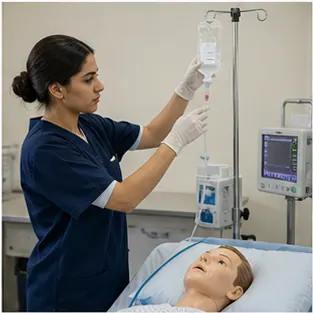
In private practice, an established midwife can reach 20,000 DH per month depending on her activity.

State Diploma in 3 years

A short, career-focused programme leading to a diploma recognised throughout the Kingdom.

Home-care pathway

Thanks to the IMTA × SOS Nursing partnership, priority access to home postnatal care.

A meaningful profession

Supporting the arrival of life and women's health: a deeply rewarding vocation.

Career of the future · Midwife 2026

Frequently asked questions about the midwife profession in Morocco

What exactly does a midwife do in Morocco?+

The midwife provides pregnancy follow-up, normal deliveries, care of the mother and newborn after birth, family planning and gynaecological prevention. She is an autonomous healthcare professional who can prescribe certain medicines and tests and refer to the doctor in case of complications. Her role therefore goes well beyond childbirth: she supports women at every stage of their lives.
How many years does midwife training take?+

The Specialised Technician Midwife training lasts three years after the baccalaureate. At IMTA in Youssoufia, it combines theoretical courses and practical placements in maternity units, and concludes with a State Diploma recognised throughout the Kingdom. This short, career-focused programme lets you enter the workforce quickly.

What are the admission requirements to become a midwife?+

You must hold the baccalaureate, preferably in science, then pass the entrance exam (written test and motivation interview). IMTA reviews each application individually and supports candidates, including those from other regions. Tuition remains affordable; contact the institute on WhatsApp to check your eligibility.

What is a midwife's salary in Morocco?+

Salary varies by sector. In the public system (university hospital, maternity), it is around 6,000 to 9,000 DH per month at the start of a career. In the private sector, it often rises to between 7,000 and 12,000 DH. In private practice, a self-employed midwife can reach 15,000 to 20,000 DH per month depending on her activity. Home postnatal care also offers good pay.

Can a midwife work in private practice or at home?+

Yes. After a few years of experience, many midwives open their own private practice, where they set their fees and manage their patients. Others specialise in home postnatal care — a rapidly growing sector in Morocco. Thanks to the IMTA × SOS Nursing partnership, graduates gain priority access to these assignments supporting mothers and newborns at home.

IMTA Youssoufia

Become a midwife starting in the 2026 intake

An autonomous, meaningful and promising medical profession, with excellent income potential in private practice. Message IMTA on WhatsApp to learn about the admission requirements and reserve your place.

Become a midwife+212 524 647 800